How to Build a Home Air Filtration Plan That Supports Allergy Relief
@houseairblog332
September 24, 2026 · 13 min read
Allergy relief at home rarely comes from a single fix. A new filter helps, sure. A well-sealed window helps too. But the real difference usually comes from a plan, one that treats air the way you would treat lighting, water, or security: as a system that needs regular attention.
I have seen plenty of households spend money on a portable purifier for the bedroom while the furnace filter is packed with dust, the return vents are covered by rugs, and the kitchen window stays open through pollen season. The purifier may still help, but the house is fighting itself. A good home air filtration plan works because it reduces the amount of irritants entering the air, catches what does get in, and keeps circulation steady enough that particles do not simply settle and get stirred up again.
If your goal is to reduce allergens with HVAC support, the smartest approach is usually layered. You want cleaner indoor air at the source, at the return, and sometimes in the rooms where you spend the most time. That does not mean buying the most expensive equipment available. It means matching the right tools to the way your home actually behaves.
Start with the allergens you are trying to control
A useful filtration plan begins with a clear picture of what is making people miserable. Allergy symptoms at home are often blamed on “dust,” but dust is usually a mix of things: fabric fibers, skin flakes, pet dander, tracked-in pollen, and debris that has built up in supply registers or returns. In some homes, the bigger issue is seasonal pollen. In others, pets are the main driver. In damp regions or basements, mold spores can become a larger concern. For families with a lot of foot traffic, outdoor particles ride in on shoes and coats all year long.
This matters because not every filter or HVAC setup handles every irritant equally well. A person reacting to cat dander needs consistent particle capture and good room circulation. Someone dealing with spring pollen needs an HVAC system that can keep fine particles from recirculating after doors and windows open. A household with moisture problems needs filtration, yes, but also humidity control and source correction, because no filter can compensate for a chronic damp patch behind a wall.
A practical way to think about it is this: identify the top two or three triggers, then build the plan around those instead of chasing every possible contaminant. That keeps the budget focused and the maintenance realistic.
Understand where home air filtration actually works
Home air filtration is not one thing. It happens in different places, and each place handles a different part of the problem.
Your HVAC system is the backbone. It moves air through the house and gives you one of the few opportunities to capture particles repeatedly as air cycles. A portable purifier, by contrast, treats a single room or zone. A return vent filter catches larger debris before it gets into equipment, while a properly selected furnace or air handler filter can do much more than protect the system. When all of these are coordinated, they work like successive checkpoints.
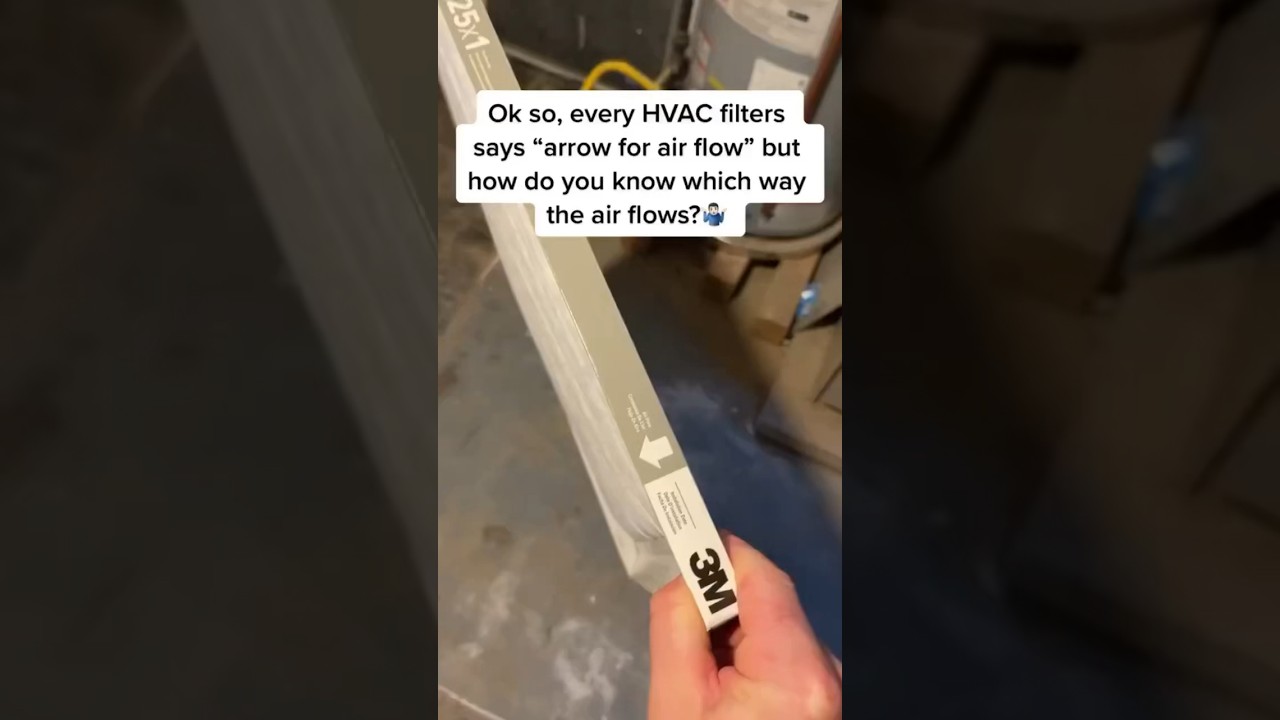
That said, HVAC filters are often misunderstood. Homeowners sometimes assume that any high-MERV filter is automatically better. In reality, the right filter is the one your system can move air through without strain. A filter that is too restrictive can reduce airflow, increase noise, and shorten the life of the blower if the equipment was not designed for it. This is where experienced HVAC judgment matters more than product marketing.
The goal is not just to trap particles. It is to maintain enough airflow that the house continues to breathe properly while still capturing the particles that aggravate allergies. That balance is the foundation of effective HVAC solutions for allergies.
Choose the right filter without choking the system
For most homes, the filter decision is the most important single choice in the entire plan. It is also the one people rush through the fastest, often by grabbing whatever size happens to be on sale.
Filter performance is usually discussed in terms of MERV, which indicates how well a filter captures particles of different sizes. For allergy support, higher is not always better if the system cannot handle it. Many homes do well with a midrange filter that balances particle capture and airflow. In some homes with newer equipment, duct design, and strong blower capability, a higher-rated filter can be used safely. In older systems, a moderate filter changed regularly often performs better in practice than an over-ambitious high-MERV filter that gets loaded too quickly.
Dusty homes can also benefit from thicker media filters, especially if the system is designed for them. A deeper filter usually has more surface area, which helps it trap more particles without forcing air through a tight, quickly clogged material. That can mean better real-world performance and less strain.
One detail I look at immediately is filter access. If the filter is hard to reach, people skip changes. If it is hidden behind stored boxes or requires awkward crawling, it will not get replaced on schedule. The best filter is the one that gets changed before it is dirty enough to become part of the problem.
In many homes, a monthly inspection is a good habit during peak allergy seasons, even if the actual replacement interval is longer. A filter can look passable from the front and still be loaded with debris on the back side. When a family has pets, high pollen exposure, or heavy system runtime, replacement may need to happen more often than the packaging suggests.
Make the HVAC system work with the house, not against it
A good filter cannot fix poor airflow, leaky ducts, or neglected maintenance. Those problems often turn a decent filtration setup into a mediocre one.
If return vents are blocked by furniture, the system cannot pull air efficiently from living spaces. If supply vents are closed in a misguided attempt to save energy, pressure can build in ways that reduce circulation elsewhere. If ducts leak in an attic or crawlspace, the system may be pulling in dust, insulation fibers, or humid air before it ever reaches the filter. In that case, you are filtering part of the air while contaminating another part of it.
This is why a whole-home approach matters. A homeowner who wants to reduce allergens with HVAC should look beyond filter swaps and ask a few practical questions: Is the system sized correctly? Is the blower working as intended? Are the ducts sealed? Is the coil clean? Is the condensate drain clear? Does the thermostat actually reflect how long the system runs each day?
Even small maintenance issues can affect air quality. A dirty evaporator coil can hold moisture and dust, becoming a breeding ground for odors and microbial growth. A clogged drain can raise indoor humidity. Humid air makes some allergies worse and can encourage dust mites, which are a common trigger in many homes. If the system is cycling too short or too often, particles may remain in the air longer, especially in rooms with poor circulation.
These are not abstract concerns. I have been in homes where the family spent money on multiple air purifiers, but the biggest improvement came from sealing a return leak, cleaning the coil, and upgrading the filter schedule. The house felt less stale within days because the system finally moved air the way it was supposed to.
Add room-level filtration where it actually helps
Portable air cleaners are worth considering, especially if someone in the house sleeps with allergies, spends long hours working from home, or has symptoms concentrated in one room. Bedrooms are often the best place to start because people spend so many uninterrupted hours there. If the bedroom air is cleaner, sleep quality often improves, and the day starts from a better baseline.
The most useful unit is usually the one that can move enough air for the room size, not the one with the most dramatic claims on the box. A purifier that is too small may sound busy without materially improving the air. Placement matters too. Tuck it behind a curtain or in a corner, and you lose much of its value. Give it room to pull and push air freely.
Some people assume a portable purifier can replace HVAC filtration. It usually cannot. It can complement it. Think of it as local follow this link support, especially for a room where symptoms are strongest. If a child’s bedroom has carpet, stuffed animals, and a pet that sneaks in occasionally, a purifier can help catch particles that the central system only cycles through every so often.
Still, I would not recommend using a portable unit to mask a home-wide problem. If the whole house is dusty, the main system needs attention. If one room always feels stuffy, the return path or supply balance may be off. Room filters are useful, but they are not a substitute for a balanced system.
Control what filtration cannot catch
Even the best home air filtration plan has limits. Allergy relief improves faster when the house stops generating as many particles in the first place.
Soft surfaces hold onto allergens. Carpets, rugs, upholstered furniture, heavy drapes, and cluttered shelves all gather dust and pet dander. You do not need to strip a home bare, but you should recognize where particles collect. In houses with severe allergies, switching from wall-to-wall carpet to hard flooring in the most lived-in rooms can be transformative. Where carpet stays, regular vacuuming with a sealed machine and a true HEPA exhaust can make a real difference.
Bedding is another overlooked source. Pillows, blankets, and mattresses collect skin flakes and dust mites over time. Washing bedding in hot water where fabric allows, using allergen-resistant covers, and keeping bedroom humidity in a reasonable range can all support the filtration plan. No filter works well if the bedroom itself acts like a reservoir.
Shoes matter too. Outdoor pollen and fine debris travel inside on soles, then get ground into flooring and carpet. A simple entry routine helps more than people expect. It is not glamorous, but it reduces the load on the whole system.
And then there are pets. Pet dander is light, persistent, and highly mobile. A house with a shedding dog or cat can still be comfortable for allergy sufferers, but only if brushing, vacuuming, filter changes, and room-level cleaning happen consistently. This is one of those places where good intentions are not enough. The routine has to be realistic enough to sustain.
Pay attention to humidity, because filtration alone is not enough
Humidity sits in the background of many allergy problems. Air that is too damp can worsen dust mite activity and support mold growth. Air that is too dry can irritate noses and throats, making people feel as if allergies are worse even when the main issue is dryness.
Ideal humidity often sits somewhere in the middle, usually around a comfortable indoor range rather than at either extreme. The exact number depends on climate and season, but if windows are fogging, musty odors show up, or certain rooms feel clammy, filtration needs help from dehumidification and ventilation. If the air is so dry that people wake up with scratchy throats and bloody noses, adding moisture carefully may improve comfort and reduce irritation.
This is another place where HVAC solutions for allergies have to be judged as a system. A dehumidifier in a basement, a properly sized whole-house humidifier in a dry winter climate, or a better exhaust strategy in bathrooms and kitchens can all improve how well the air filtration plan works. The cleanest air in the world still feels unpleasant if the moisture level is wrong.
Build a maintenance rhythm you will actually follow
A home air filtration plan fails most often because nobody owns the upkeep. Filters get forgotten. Portable units run with clogged prefilters. Duct problems linger because they are out of sight. Months pass, then the home slowly drifts back to the same symptoms.
A workable rhythm is more effective than a complicated one. At a minimum, it helps to inspect HVAC filters monthly during high-use seasons, check portable purifier filters and prefilters on a regular schedule, and make sure vents are unobstructed. Seasonal checkups are the right time to look at bigger items like coil cleanliness, drain lines, and duct condition. If the house has severe allergy problems or multiple pets, those checks should happen more often.
There is also a human side to maintenance. If one person in the family is more sensitive than everyone else, that person often notices the warning signs first: a familiar scratch in the throat, more sneezing at night, heavier dust on nightstands, or a stale feel when the system starts. Those clues are worth listening to. They often show up before any equipment failure is obvious.
The best systems are boring in the right way. They do their work quietly, with no dramatic moments and no musty surprises when you open the closet.
Know when it is time to bring in a professional
There comes a point when buying another filter is not the answer. If allergy symptoms remain strong even after proper filtration, cleaning, and humidity control, the house may have a hidden issue. Duct leakage, mold growth, poor return design, a failing blower, or an oversized HVAC system that short-cycles can all undermine indoor air quality.
That is when a professional inspection becomes useful. A technician who understands indoor air quality should be able to look at airflow, filtration options, return placement, and humidity behavior together, not as separate problems. If you are hoping to improve cleaner indoor air for a household with persistent symptoms, this broader view matters. A quick equipment check may miss the reason the house keeps recirculating dust or why the upstairs always feels stuffy while the downstairs feels fine.
I have seen homes where the issue was simply that the return air path was inadequate for the way the family lived. Door placement, room usage, and closing bedroom doors at night changed the pressure relationships enough that filters could not compensate. Once the system was adjusted, the air felt more even throughout the house. That kind of fix is not flashy, but it can be the difference between a home that looks clean and one that actually supports allergy relief.
Putting the plan together
A practical filtration plan usually has four layers working together: a properly chosen HVAC filter, a system that moves air well, room-level filtration where symptoms are strongest, and source control that keeps allergens from building up in the first place. Add humidity management, and the whole house becomes easier to live in.
That is the real goal. Not perfection, not sterile air, just a home that gives the immune system fewer reasons to stay on alert. When the filters fit the equipment, the equipment fits the house, and the daily habits fit the family, allergy seasons become more manageable. Sneezing may not disappear, but the home stops amplifying the problem.
For many households, that is the difference between guessing at remedies and building a plan that actually works.
Phone:
(863) 247-0271
Website:
icecoolinghvac.com
Indoor Climate Experts
296 Lake Smart Circle,
Winter Haven,
FL
33881